 Established 2020
HEC History, Economics and Civics
The humanities and civil services pathway.
History, economics and civics for students who want to understand people, societies and institutions — and who read, write and argue well.
Introduction
HEC stands for History, Economics and Civics — the HEC group at the intermediate level. The programme runs over two academic years and follows the syllabus prescribed by the Board of Intermediate Education.
History, economics and civics for students who want to understand people, societies and institutions — and who read, write and argue well.
Alongside the three main subjects you also study English and a second language, and you appear for board examinations at the end of each year.
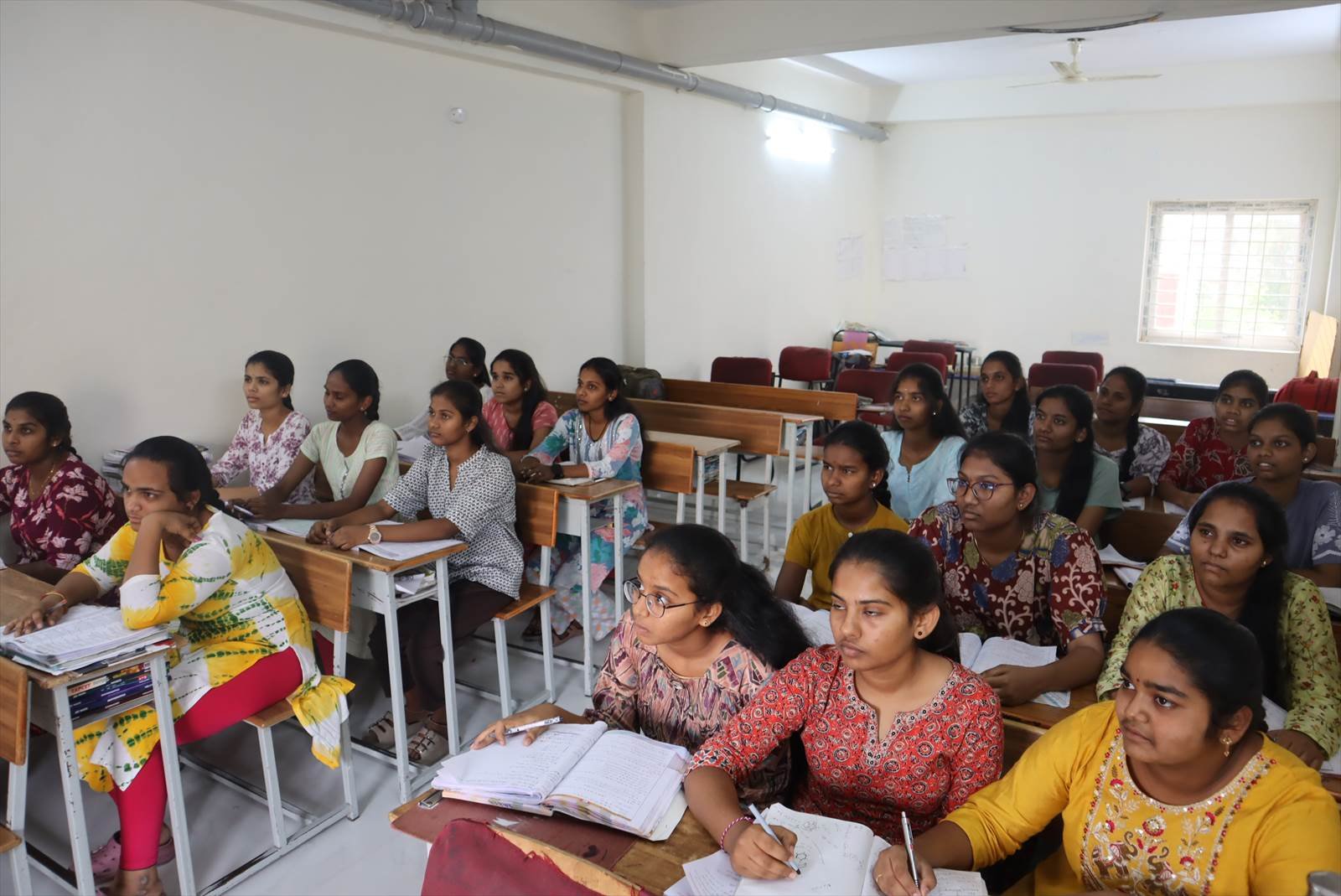
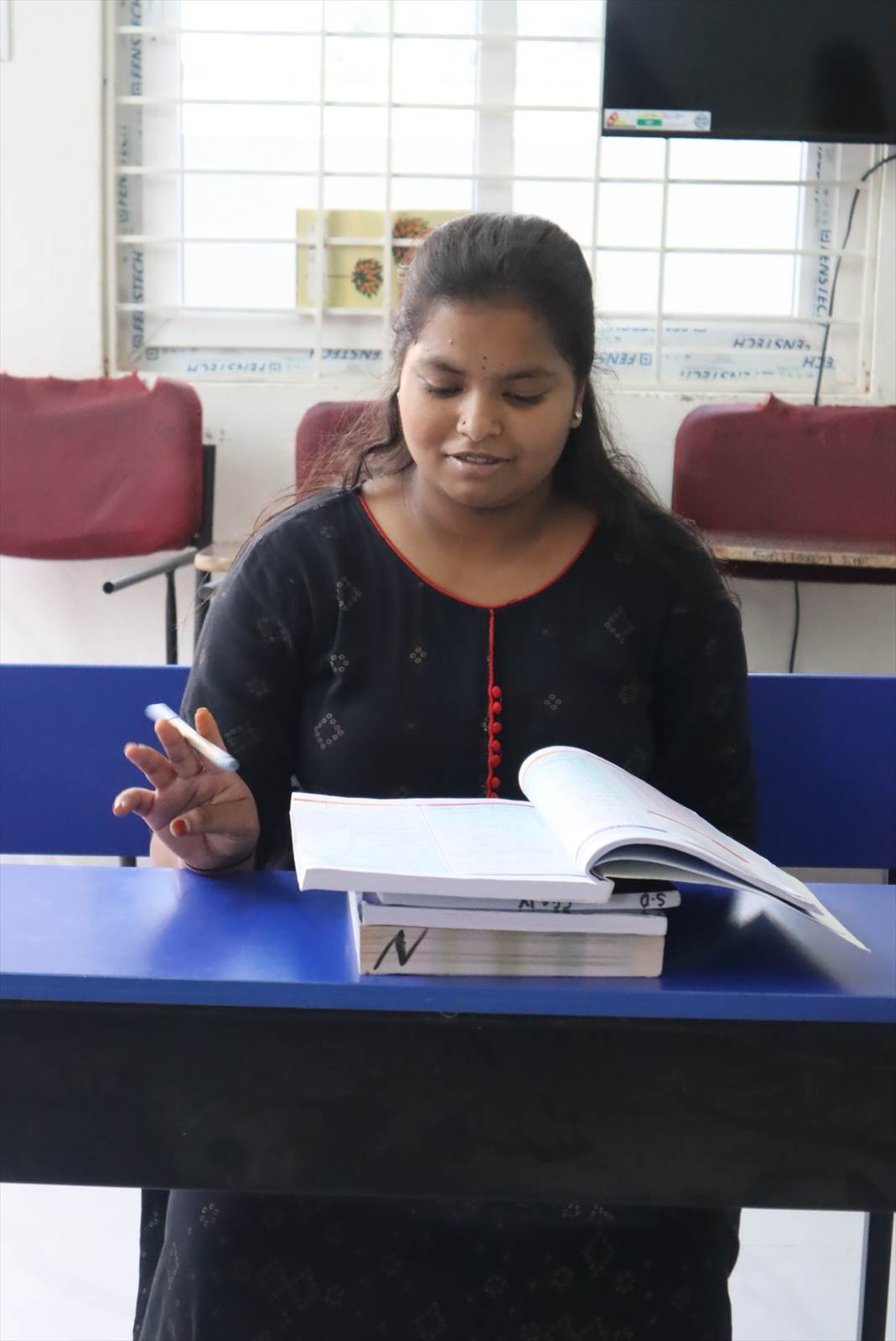


Subjects You Study
The subject list for HEC. Each main subject carries theory and practical or internal assessment as prescribed by the board.
Why Choose HEC
Reasons students and parents usually give for picking this group — and what each one actually means over two years.
- It builds the reading habit. History and civics are learned by reading widely and thinking about what you read.
- It is ideal for civil services. History, polity and economics are the backbone of the UPSC and state service syllabi.
- It suits writers and speakers. Essay, debate and interview rounds reward students from this group.
- It leads to law and journalism. Both fields value people who can research and argue.
- No mathematics or laboratory requirement. The focus stays on understanding and expression.
Skills You Build
Skills that develop naturally while you study this group, and that stay with you long after the examinations are over.
- Critical reading — comparing sources and noticing bias.
- Essay writing — building a clear argument in a fixed number of words.
- Research — finding, sorting and citing information properly.
- Civic awareness — understanding rights, duties and institutions.
- Economic reasoning — reading budgets and policy debates intelligently.
- Speaking and presentation — explaining a point of view to a room.
Higher Education Pathways
Degrees that HEC students commonly move into. Eligibility rules differ from university to university, so always check the current prospectus.
- BA History, Political Science, Economics or Sociology — the traditional humanities degrees.
- BA LL.B. — integrated law programmes after a law entrance test.
- Journalism and mass communication — reporting, editing and media studies.
- B.Ed. and teaching routes — taken after the first degree.
- Social work and development studies — BSW and allied programmes.
- Civil services preparation alongside a degree — the most common path for HEC students.
Competitive Exams
Entrance examinations that HEC students typically prepare for. Syllabi, dates and patterns change every year — the official portals below are the only reliable source.
- CUET (UG) — the common university entrance test for central and state universities.
- CLAT and state law entrance tests — for integrated law programmes.
- University entrance tests — for journalism, social work and humanities honours courses.
- Civil services examination — the UPSC and state public service commissions, taken after graduation.
- Scholarship and aptitude tests — national scholarship examinations that support higher study.
Official portals
Every link opens the official website in a new tab.
Career Directions
Careers these pathways eventually lead to. Each one is reached after completing the relevant degree or qualification — not straight after intermediate.
Admission Information
- 1Eligibility. A pass in Class 10 (SSC or an equivalent examination) from a recognised board.
- 2How to apply. Collect the application form from the college office or send an enquiry through this website, and submit it with the documents listed below.
- 3Documents required. Class 10 marks memo, transfer certificate, study certificates, passport-size photographs and, where applicable, caste and income certificates.
- 4Selection. Admission to the first year is based on Class 10 results and the college's own admission process.
- 5Fee structure and last date. Not published on this website yet — see the note below.
Not confirmed yet. The fee structure, the last date to apply and the exact admission dates are set by the college and are not filled in. Please contact the office for the current figures.
Enquire About HEC
Still deciding?
Send us your question about the History, Economics and Civics group and we will get back to you. You can also visit the campus and speak to the staff in person.
Visit the campus before you decide
Admission questions are easier to answer in person. Bring your Class 10 marks memo and talk to the staff about the HEC group.